Custom Labels That Identify and Inform
Labels in Jefferson Valley for branded product packaging and identification systems
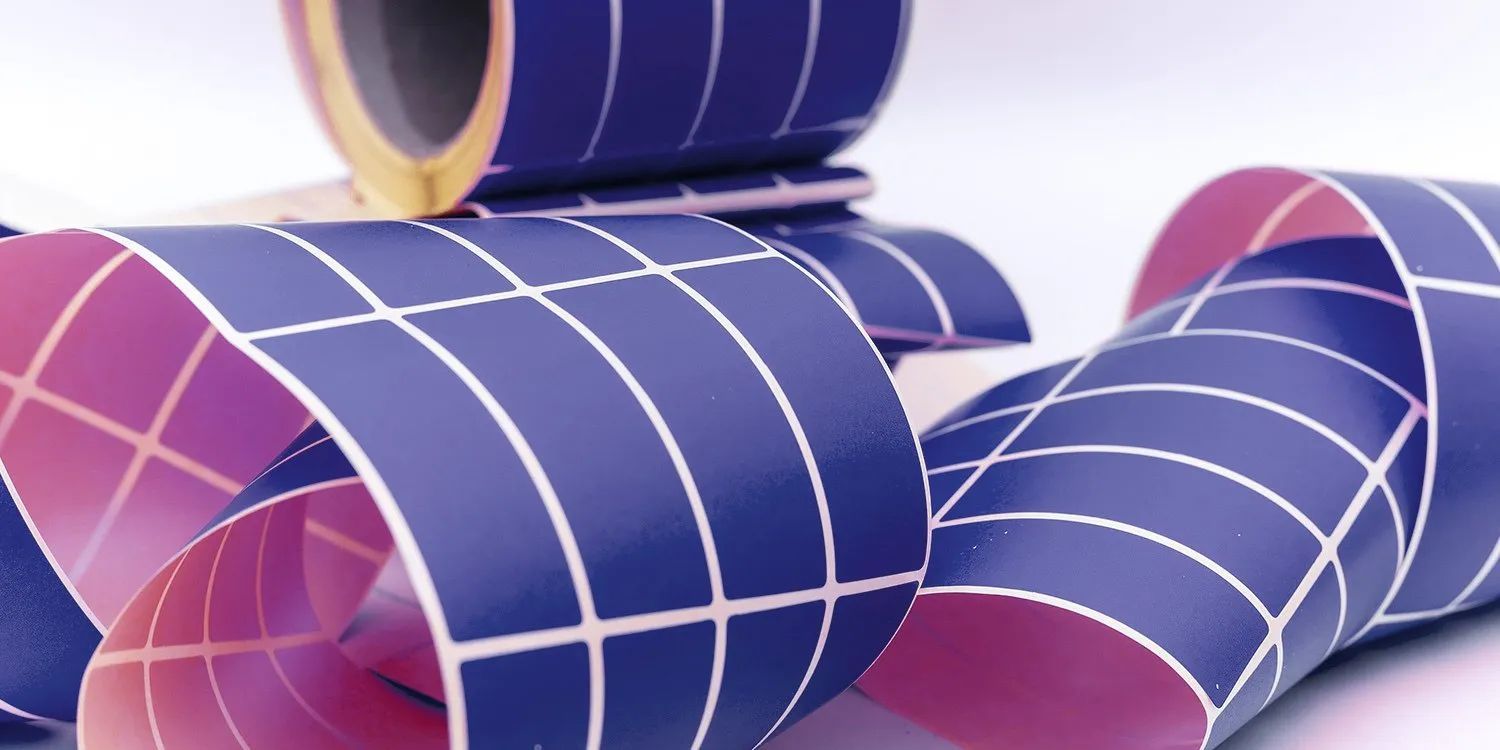
A product label that peels at the corner during storage or fades under warehouse lighting creates confusion and delays in inventory systems. Print Central produces custom labels for branded packaging, informational applications, asset identification, and other business uses where clarity and adhesive performance matter. Labels are guided by your artwork, required quantities, and how the label will be applied and exposed, with production managed in Jefferson Valley and delivery available locally throughout the Tri-State Area or shipped nationwide for larger rollouts.
This service addresses the need for labels that remain legible and attached under the conditions they'll face, whether that involves temperature fluctuations in shipping, handling during warehouse operations, or exposure to moisture in retail or food service environments. Adhesive selection, material durability, and print permanence are matched to whether labels will be applied to corrugated boxes, glass bottles, plastic containers, or metal equipment surfaces.
Arrange a consultation to review label material options and adhesive types based on your specific application.
What Proper Label Production Requires
Label projects begin with a review of your artwork files, label dimensions, and the surface where labels will be applied. Different adhesives perform differently depending on whether the surface is smooth or textured, porous or non-porous, and whether the labeled item will be stored indoors or exposed to outdoor conditions. Permanent adhesives create bonds that resist removal, which matters for asset tags and compliance labeling. Removable adhesives allow labels to be repositioned or peeled away cleanly, which is useful for promotional stickers or temporary identification during events.
After your labels are printed and delivered, text and graphics remain sharp under the lighting conditions where they'll be read, colors match your brand standards, and the adhesive holds through handling without lifting at edges or corners. Labels applied to packaging maintain their position through shipping and storage. Identification labels on equipment or inventory bins stay attached and legible throughout their intended use cycle.
Material options include paper stock for indoor applications and synthetic materials like vinyl or polyester for environments where moisture, abrasion, or UV exposure could degrade paper-based labels. Finishing options such as lamination add a protective layer that resists scuffing and extends the label's functional life. Quantity planning accounts for waste during application, replacement needs, and whether you'll require additional runs to support ongoing production or seasonal campaigns.
Answers to Frequent Service Questions
Label projects involve decisions about materials, adhesives, and print specifications that affect how well the labels perform in their intended application.
What factors determine which label material to use?
The surface where the label will be applied, exposure to moisture or temperature changes, and how long the label needs to remain attached all influence whether paper, vinyl, or polyester material is appropriate.
How does adhesive selection affect label performance?
Permanent adhesives bond strongly and resist removal, while removable adhesives allow labels to be peeled away without leaving residue, and the choice depends on whether the label is temporary or needs to stay in place indefinitely.
When should lamination be added to custom labels?
Lamination protects printed surfaces from scuffing, moisture, and UV fading, which extends label life in high-handling environments or outdoor applications where unprotected ink would degrade quickly.
What file format and resolution ensure clear printed labels?
Vector artwork files maintain sharpness at any size, while raster images need a resolution of at least 300 DPI at the final printed dimensions to prevent pixelation or blurring on smaller label sizes.
How are label quantities planned for business applications in Jefferson Valley and beyond?
Minimum quantities often align with production efficiency, and ordering slightly more than the immediate need accounts for application waste, damaged labels, and future replacement without requiring a new print run for small quantities.
Print Central provides proactive guidance on material and adhesive selection based on how your labels will be used and where they'll be applied. Contact us to review artwork files and discuss production timelines for your label project.